
Tired of "I'll start Monday" turning into another missed goal? Here's a practical, step-by-step way to plan healthier meals, plus a full 3-day meal plan to get you started today.

Starting a healthier diet comes down to three things: set a specific goal, plan your meals in advance, and stock your kitchen with whole foods instead of processed ones. Below, I'll walk through exactly how I do it, plus give you a ready-to-use 3-day meal plan.
You've probably set the classic goal before: "I'm starting a diet Monday." Then Monday comes, and old habits win 😠. It happened to me more times than I'd like to admit 😏, until I realized that wanting to eat healthier is just step one. Step two is having an actual plan for how you'll do it. I didn't have one either. But after a lot of trial and error, I learned that a little planning goes a very long way.
Why a Healthy Diet Matters
In a fast-paced world, it's easy to put food choices on autopilot. But what you eat directly affects your energy, weight, and long-term health. Whether your goal is weight loss, more energy, or just feeling better day to day, planning is where it starts.
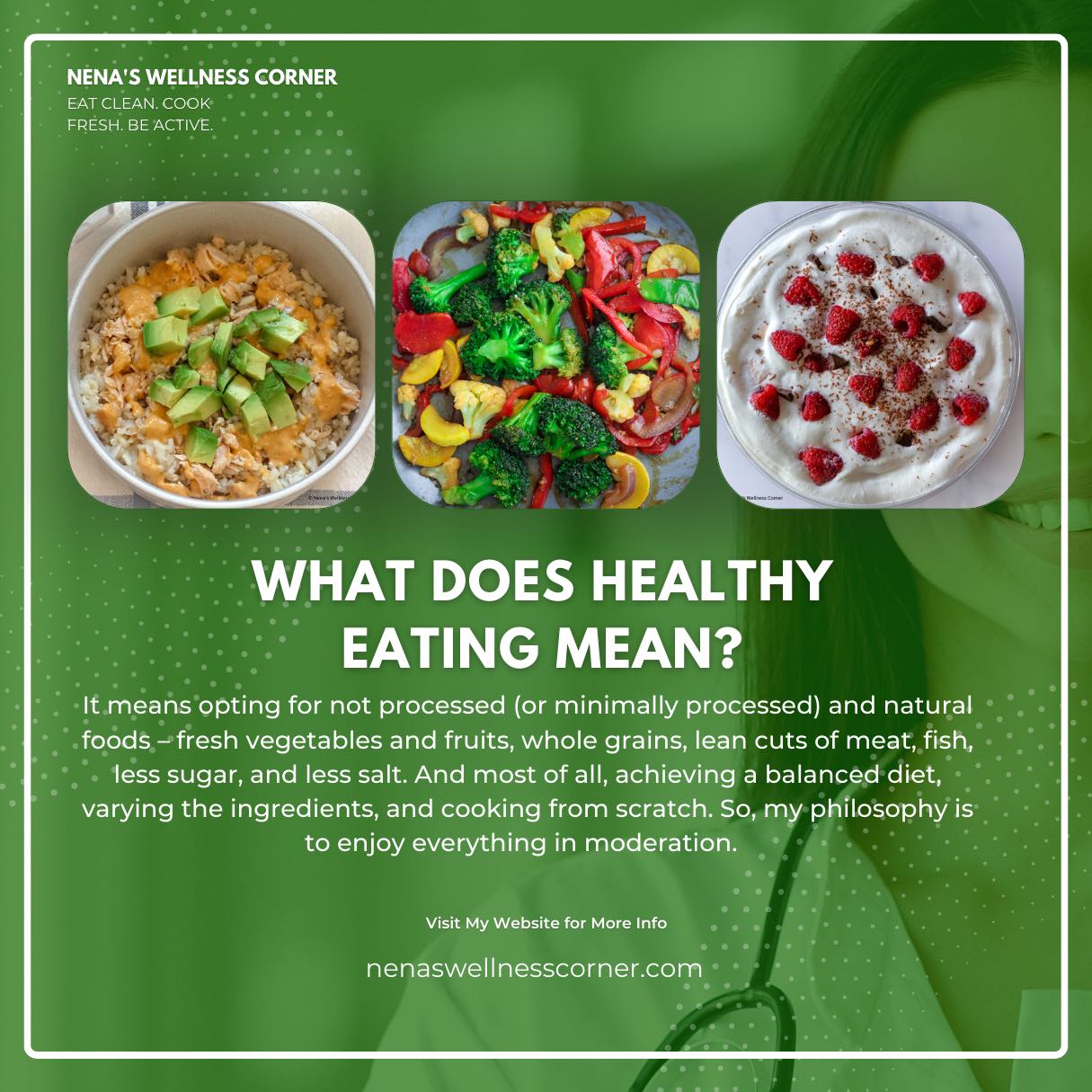
8 Steps to Plan a Healthier Way of Eating
1. Set a Specific, Measurable Goal
Skip vague goals like "eat healthier." Instead, try something trackable: "I'll eat five servings of fruits and vegetables a day for the next month." Specific goals are easier to track, and easier to stick to. Write your progress down, whether that's a notebook or a phone app.
2. Take Stock of Your Current Eating Habits
Look honestly at what you're eating now: portion sizes, typical choices, and your trigger foods. One of the most effective things I ever did was clear my pantry, and my desk drawer at work 😊, of chips, candy, soda, and store-bought dressings, then take them off my grocery list for good. If it's not in the house, you can't reach for it.
3. Learn the Basics of Nutrition
Understand macronutrients (carbs, protein, fat) and micronutrients (vitamins and minerals), plus portion sizes. If you want a starting point, my Easy Guide on Nutrition Basics covers exactly this.
4. Build a Weekly Meal Plan
Plan meals ahead of time so healthy options are always ready. Include a mix of fruits, vegetables, whole grains, lean protein, and healthy fats in every meal.
5. Make a Grocery List, and Stick to It
Shop from a list built around your meal plan. One tip that changed my shopping habits: the most heavily processed foods are usually placed at eye level on the middle shelves, since that's where stores know people will look first. The healthier options are often tucked on the top or bottom shelves. Don't give up if you don't spot them right away, they're there 😉.
6. Cook at Home
Home cooking gives you full control over ingredients, plus it saves money. Pick one day a week to batch-prep meals or snacks into containers for easy grab-and-go access.
7. Practice Portion Control
Use smaller plates, and pay attention to hunger and fullness cues. Eating smaller amounts more often tends to work better than one large meal a day.
8. Add Movement You Actually Enjoy
Pair your eating plan with activity you like: walking, cycling, dancing, whatever gets you moving. Walking especially is underrated; put on a good playlist and take a lap around the neighborhood.

What a Typical Healthy Day Looks Like for Me
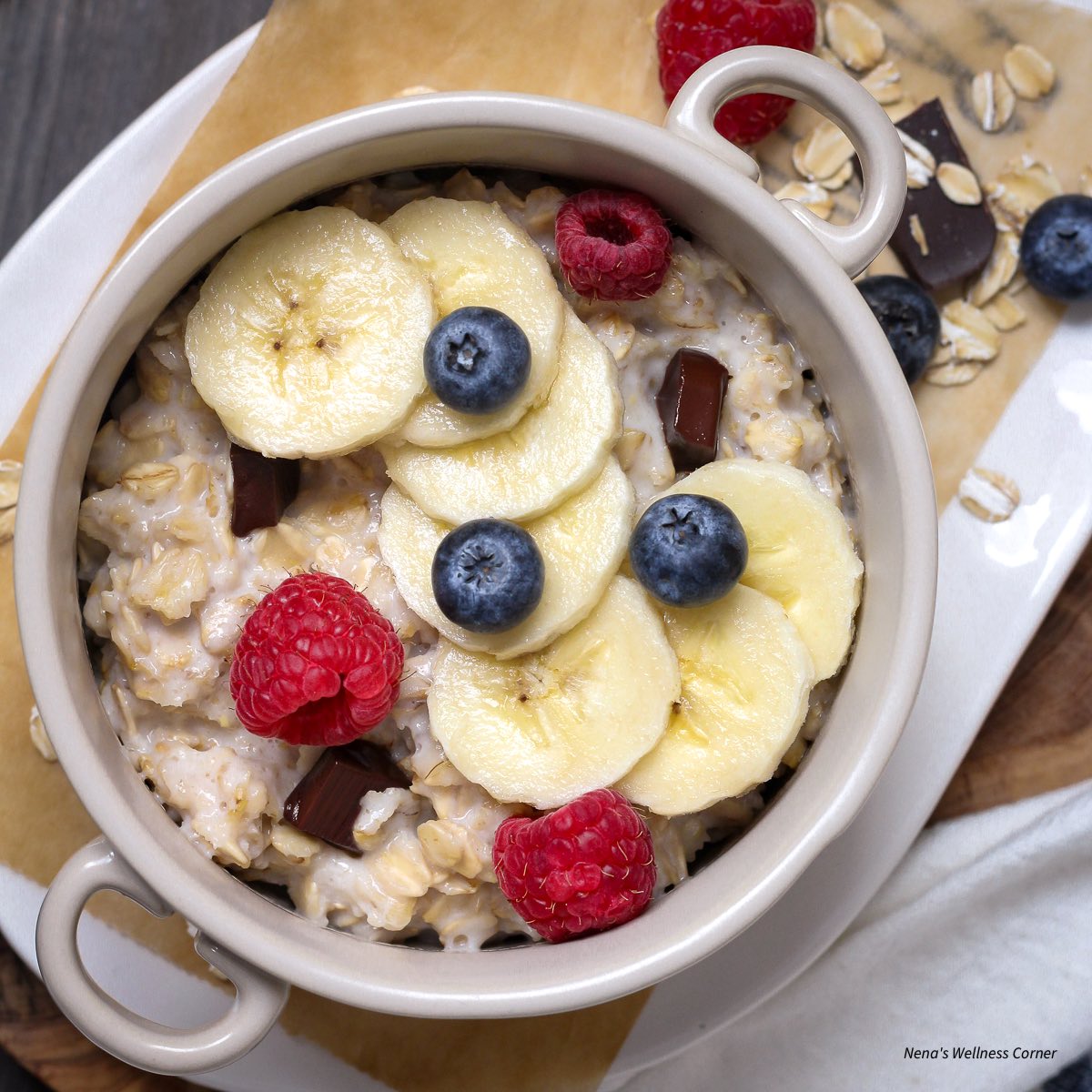
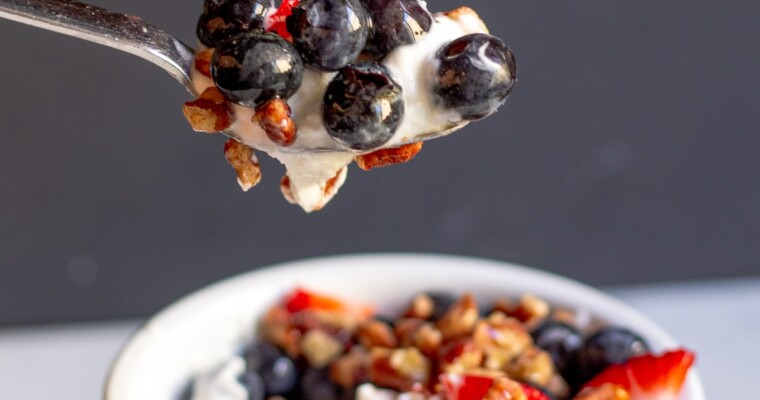
- Breakfast: A bowl of oatmeal topped with fresh berries and a sprinkle of nuts for protein and healthy fat.
- Lunch: A colorful salad such as my Red Cabage Salad with grilled chicken, olive oil, and balsamic vinegar.
- Snack: A piece of fruit with a handful of nuts or nut butter.
- Dinner: Lean protein like fish or chicken (try my Air Fryer Maple Salmon Fillet), steamed vegetables such as Quick Steamed Broccolini, and a small portion of whole grains.
Free 3-Day Healthy Meal Plan
Use this as a starting template, and swap in your own favorite recipes as you go.
Day 1
- Breakfast: Oatmeal with fresh berries and a sprinkle of nuts: fiber, antioxidants, and healthy fat in one bowl.
- Lunch: Beet salad with feta and walnuts, olive oil, and balsamic vinegar.
- Snack: A handful of almonds and a piece of fruit.
- Dinner: Salmon rice bowl with roasted pepper aioli: a great source of omega-3s.
Day 2
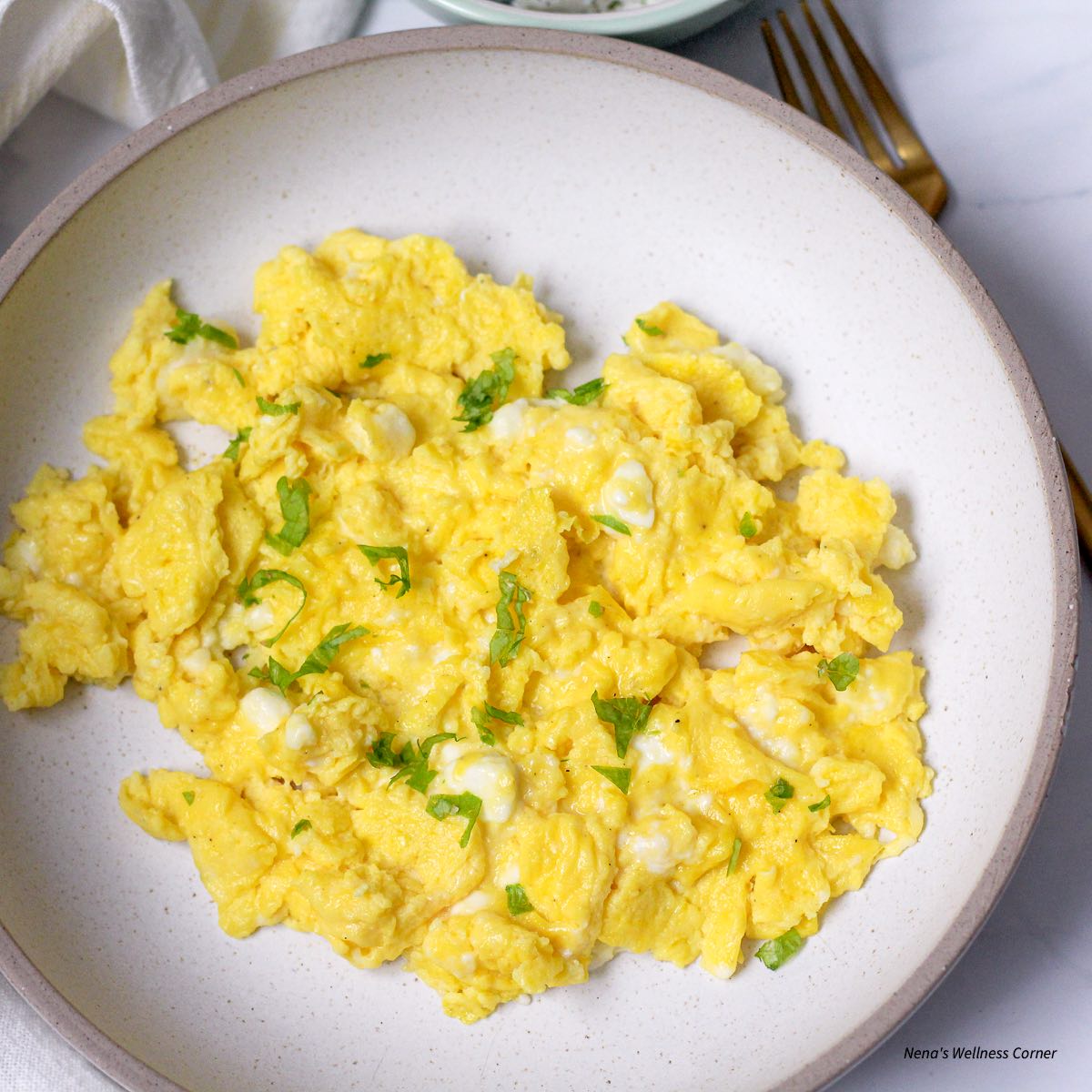
- Breakfast: Cheesy scrambled eggs with feta: high protein, low calorie.
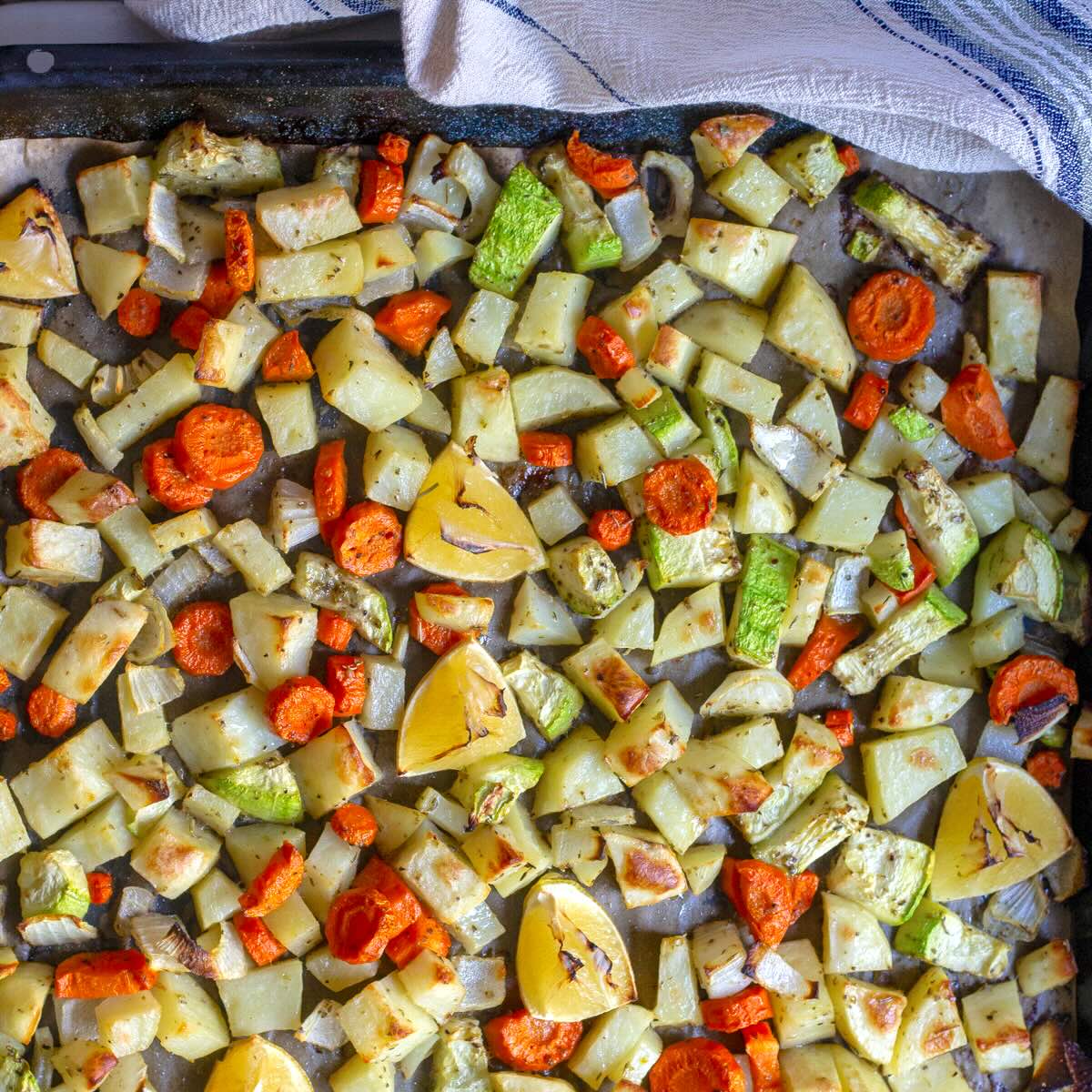
- Lunch: Whole-grain wrap with roasted potatoes, carrots, onion, and zucchini, hummus, and feta.
- Snack: Greek yogurt with honey and walnuts.
- Dinner: Lean turkey burger on a whole-grain bun with avocado, plus sweet potato cubes.
Day 3
- Breakfast: Plain yogurt with granola and fresh fruit - protein, probiotics, and natural sweetness.
- Lunch: Lemon feta orzo salad with vegetables.
- Snack: Baby carrots with hummus.
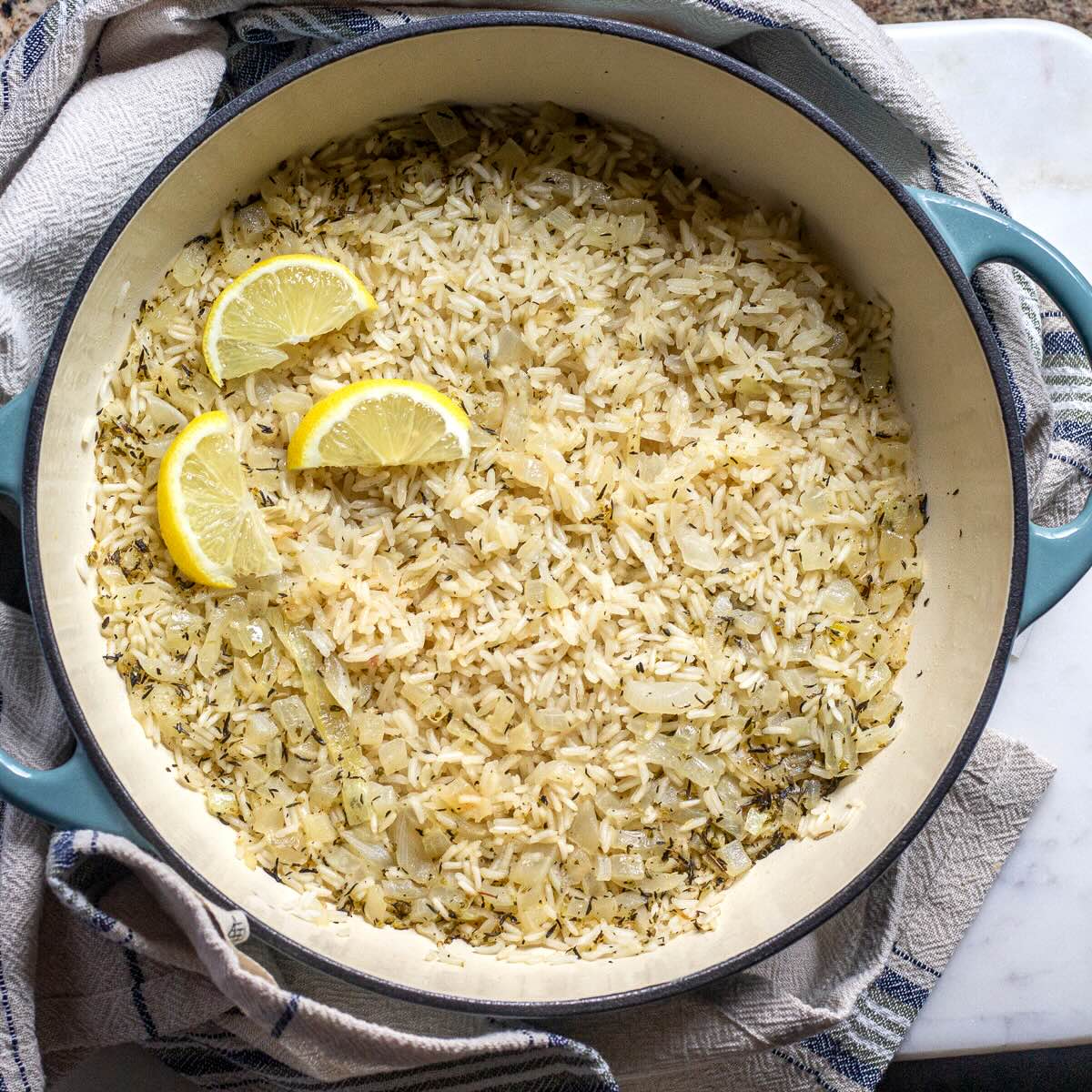
- Dinner: Creamy chicken and spinach with Mediterranean rice.
Frequently Asked Questions
Start with one specific, measurable goal, like eating five servings of fruits and vegetables a day, rather than trying to overhaul your whole diet at once.
A balanced mix of lean protein, whole grains, healthy fats, and plenty of fruits and vegetables at each meal, with simple snacks in between to avoid overeating at meals.
Most people find it takes several weeks of small, consistent changes rather than a single overnight switch, gradual adjustments are far more likely to stick long-term.







Comments
No Comments