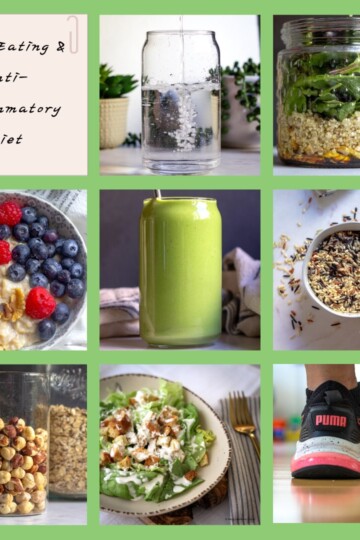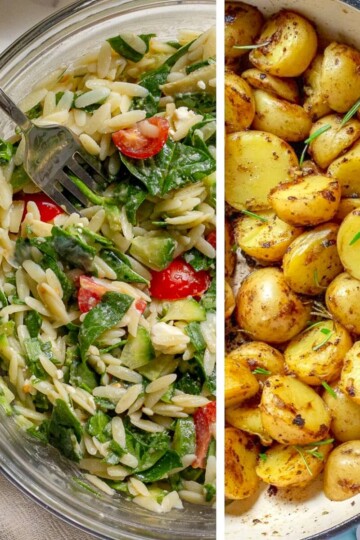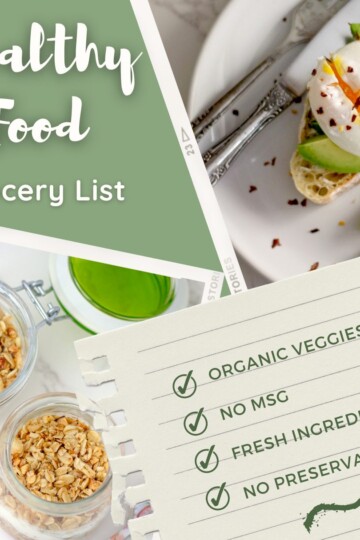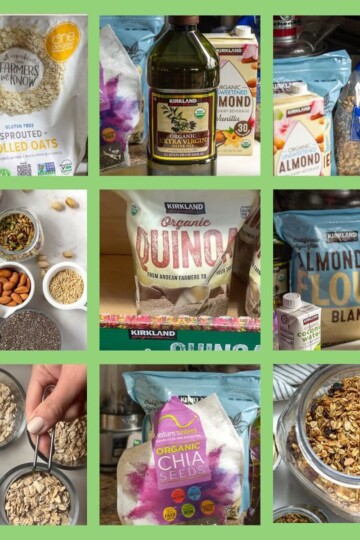
An anti-inflammatory lifestyle diet could be the key to feeling more energized and ready to face the day. Do you wake up tired and sluggish, or find getting out of bed overwhelming? While it's easy to blame stress or a busy schedule, your diet may play a bigger role in how you feel than you realize.

Jump to:
- Top Tip
- Eating to Feel Better: A Simple Intro to the Anti-Inflammatory Diet
- My Personal Experience
- What is an Anti-inflammatory Diet
- How Anti-Inflammatory Diet Relates to Clean Eating
- Benefits of an Anti-Inflammatory Diet
- Key Foods to Include
- Foods to Avoid
- A Day in the Life of an Anti-Inflammatory Eater
- Related
Top Tip
If you're thinking about starting an anti-inflammatory diet, don't miss my easy recipes: the 3-Ingredient Anti-Inflammatory Smoothie with Turmeric, 3-Ingredient Anti-Inflammatory Salad Dressing, and Anti-Inflammatory Crunchy Salad Topper with Turmeric. They're simple, tasty, and perfect for everyday meals. Feel free to try them and share!
Eating to Feel Better: A Simple Intro to the Anti-Inflammatory Diet
The anti-inflammatory diet is getting a lot of attention right now, and for good reason. But this isn't a passing trend, unlike the latest celebrity-endorsed fad diets on Instagram and TikTok. Instead, it's a timeless approach to eating that focuses on nourishing your body with real, wholesome food.
In today's fast-paced world, we've moved away from the basics of healthy eating. Preparing meals from scratch, enjoying seasonal, whole foods, and skipping processed junk have become less common. The anti-inflammatory diet encourages us to return to those simple, nourishing habits.
This approach focuses on foods that help reduce inflammation in the body. Chronic inflammation is linked to severe health issues such as heart disease, diabetes, arthritis, and autoimmune conditions. You can support your overall health and feel your best by choosing nutrient-dense, anti-inflammatory foods and eliminating those that trigger inflammation.
My Personal Experience
When I was younger, I often struggled with bloating that I couldn't explain. After certain meals, my stomach would feel uncomfortably full, almost like it was about to burst. The pain would leave me completely drained. I didn't know much about healthy eating or nutrition back then, so I had no clue what was causing it. Like most young people, I didn't think about going to the doctor for every little issue, especially since I usually felt better quickly. The bloating didn't always happen, but it occurred often enough to bother me, and I didn't have the knowledge or drive to figure it out.
Eventually, I became interested in nutrition and started reading books and articles to learn more. That's when I first came across information about MSG (monosodium glutamate). Around the same time, I moved to the United States and began eating Chinese food more often. I noticed something strange, I would get a headache every time I ate it.
I read many articles about MSG, widely used in Chinese food as a flavor enhancer, especially in soy sauce. These articles explained that MSG can cause headaches and bloating in people who are sensitive to it. However, this didn't explain the bloating I experienced as a child in Serbia, where Chinese food wasn't part of our diet. So, what else could have caused it?
By chance, I came across a Serbian article (I wish I could find it again to reference) that discussed MSG as a main ingredient in the most popular spice mix used throughout the Balkan region: Vegeta, or its Serbian equivalent, Zacin C. Like most households in Serbia, my mom used Vegeta in her cooking every day, and so did I, even after moving to the U.S.
That discovery changed everything. I stopped using Vegeta and switched to simpler spices without additives, especially no MSG, and with less salt. The result? My bloating got under control, and now I rarely experience it.
It wasn't an easy transition. Dishes without Vegeta tasted different initially because flavor enhancers like MSG are designed to make food taste better. But over time, I got used to it and discovered something unique-I could finally taste food the way it was meant to be.
Here's a funny twist to my story. I stopped using Vegeta about 15 years ago, but today, the company offers an MSG-free version alongside the original. Still, whenever I visit someone from the Balkan region for dinner, I can always tell who's using the old Vegeta with MSG. How? My bloating comes back like clockwork after the meal 😀!
I concluded that MSG was causing inflammation in my body, and the best solution was to eliminate it. However, this isn't the case for everyone. My husband, for example, has never had any issues eating foods with MSG. Sensitivity to certain ingredients is entirely individual and can vary from person to person.

What is an Anti-inflammatory Diet
I'm sure you've experienced inflammation at some point in your life. For example, when you catch a cold, and your nose gets stuffy, or your throat feels sore, that's acute inflammation.
A similar response can occur in your body when you eat foods you're sensitive to, which can become chronic inflammation. A good example is celiac disease. In people with celiac disease, consuming gluten, a protein found in wheat, rye, and barley, triggers an autoimmune response, the situation when your own body attacks the small intestine's lining, leading to chronic inflammation.
Another example is type 2 diabetes, which can develop from an unhealthy diet high in refined sugars, processed foods, and sugary drinks, combined with a sedentary lifestyle. This chronic inflammation disrupts the normal function of insulin, a hormone essential for regulating blood sugar levels and maintaining sugar balance in the cells (known as homeostasis). Without proper insulin function, blood sugar levels rise, contributing to the progression of diabetes.
The same applies to heart conditions. An unhealthy diet and lifestyle can raise the risk of heart problems by contributing to chronic inflammation, high blood pressure, and elevated cholesterol levels.
As you can see, these conditions are becoming increasingly common today. What's especially alarming is that they are now affecting very young children at an unprecedented rate, especially type-2 diabetes.
The best approach to helping your body fight harmful effects and reduce inflammation is to adopt a diet filled with foods that naturally combat and reduce inflammation. It's really that simple, nothing complicated.
How Anti-Inflammatory Diet Relates to Clean Eating
An anti-inflammatory diet and clean eating are closely connected because both focus on natural, wholesome foods and avoid processed or artificial ingredients. Here's how they're similar:
- Whole Foods: Both emphasize eating whole, unprocessed foods like fruits and vegetables, lean proteins, whole grains, and healthy fats. These nutrient-rich foods provide vitamins, minerals, and antioxidants that help reduce inflammation in the body.
- Limit Processed Foods: Both approaches discourage eating processed foods that often contain additives, preservatives, unhealthy fats, and refined sugars, which can trigger inflammation (Harvard T.H. Chan School of Public Health).
- Fresh, Seasonal Ingredients: Clean eating promotes using fresh, seasonal foods, which aligns with the anti-inflammatory diet's focus on nutrient-rich options that support better overall health (Mayo Clinic).
- Healthy Fats: Both recommend including healthy fats, such as olive oil, nuts, seeds, and fatty fish, while avoiding harmful trans fats and refined oils that can contribute to inflammation.
- Mindful Eating: Clean eating encourages awareness of what you eat, where it comes from, and how it affects your body, an approach that is also essential in an anti-inflammatory diet (National Library of Medicine).
In short, clean eating is a broader lifestyle that naturally incorporates the principles of an anti-inflammatory diet by focusing on real, natural foods that support long-term health and help reduce inflammation.

Benefits of an Anti-Inflammatory Diet
An anti-inflammatory diet has many benefits for your health and well-being. It focuses on eating whole, nutrient-dense foods that can help lower chronic inflammation in your body, which is often linked to health problems. Here are some of the main benefits:
- Reduces the risk of chronic diseases: Following this type of diet can help lower the risk of heart disease, type 2 diabetes, arthritis, and certain cancers. Many chronic pain conditions, such as fibromyalgia, migraines, and back pain, are linked to inflammation, and an anti-inflammatory diet may help reduce the frequency and severity of pain episodes.
- Supports better digestion: Fiber-rich foods like fruits, vegetables, and whole grains can reduce bloating and discomfort, balance gut bacteria, and improve overall digestive health.
- Boosts immune system: Lowering chronic inflammation helps your immune system stay balanced, reducing the risk of autoimmune issues and strengthening overall immunity.
- Supports weight management: Focusing on whole, unprocessed foods while cutting back on processed foods can make managing weight easier. Reducing inflammation also helps improve metabolism, supporting weight loss or maintenance (Mayo Clinic).
- Promotes healthy skin: Foods rich in antioxidants and omega-3 fatty acids can help calm skin inflammation, reduce acne, and minimize signs of aging.
- Supports hair and nail strength: Anti-inflammatory foods are packed with vitamins, minerals, and healthy fats that support stronger hair and nails.
- Improves mood and mental clarity: Chronic inflammation is linked to mood disorders like depression and anxiety. Reducing inflammation through diet can boost mental clarity, stabilize mood, and lower stress levels (Harvard Health - Inflammation and Mental Health).
- Enhances sleep quality: Lowering inflammation can ease pain and discomfort from conditions like arthritis or fibromyalgia, making it easier to sleep well. Anti-inflammatory foods also help regulate sleep hormones, promoting more restful sleep (Harvard Health; Mayo Clinic).
Key Foods to Include
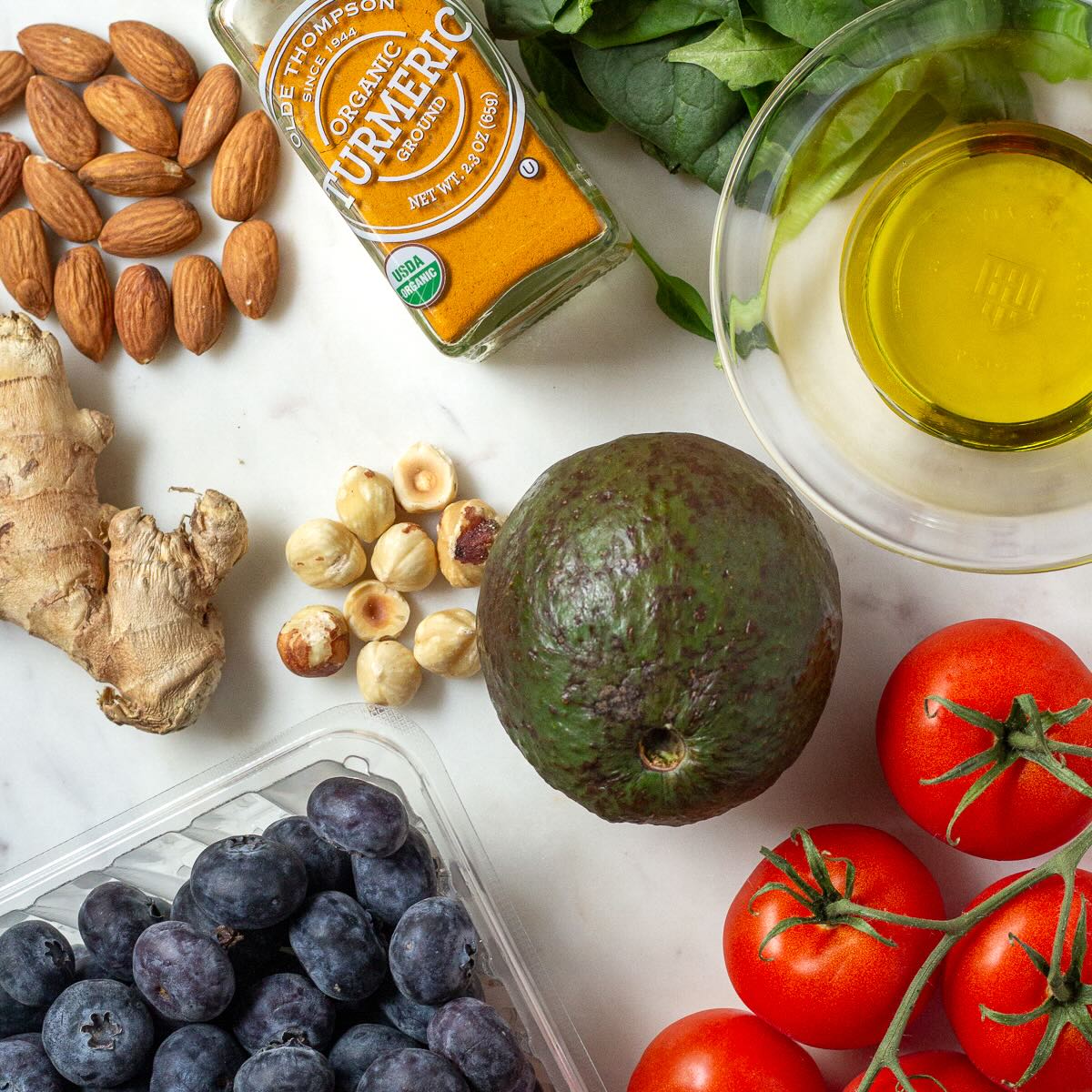
- Fruits and Vegetables: Oranges, cherries, berries (strawberries, raspberries, blueberries, blackberries), leafy greens (kale, spinach, collards, Swiss chard), and cruciferous vegetables (broccoli, Brussels sprouts, cabbage, cauliflower) are rich in antioxidants and phytonutrients that help reduce inflammation (Harvard T.H. Chan School of Public Health - Vegetables and Fruits).
- Healthy Fats: Include olive oil, avocado, nuts (walnuts, almonds, pistachios, cashews), and seeds (chia seeds, flax seeds, sunflower seeds, pumpkin seeds, sesame seeds). These fats support heart health and lower inflammatory markers (Harvard T.H. Chan School of Public Health - Fats and Oils).
- Omega-3 Fatty Acids: Fatty fish such as salmon and tuna, as well as chia seeds and flaxseeds, are rich in omega-3s, which help reduce inflammation and support brain and heart health (Harvard T.H. Chan School of Public Health - Omega-3 Fats).
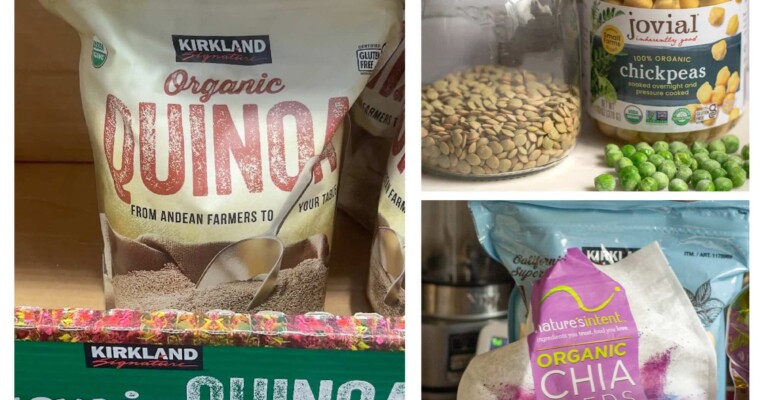
- Whole Grains: Brown rice, quinoa, oats, and whole wheat provide fiber and nutrients that help regulate blood sugar and lower inflammation (Harvard T.H. Chan School of Public Health - Whole Grains).
- Spices and Herbs: Turmeric, ginger, garlic, and cinnamon contain bioactive compounds that can help calm inflammation and support overall health (Mayo Clinic - Anti-Inflammatory Diet).

Foods to Avoid
- Refined sugars and carbs: White bread, pastries, candy, jelly, syrup, soda, sports drinks, and sugary breakfast cereals can spike blood sugar and promote inflammation (Harvard T.H. Chan School of Public Health - Added Sugar).
- Processed and fried foods: Hot dogs, deli meats, French fries, and other fried foods often contain additives and unhealthy fats that increase inflammation (Harvard T.H. Chan School of Public Health - Fats and Oils).
- Excessive alcohol and red meats: Burgers, steaks, and other processed or fatty meats can contribute to chronic inflammation (Mayo Clinic - Anti-Inflammatory Diet).
- Artificial sweeteners: Found in many diet products and low-calorie foods, these may affect gut health and inflammation (Harvard Health - Sweeteners).
- Trans fats: Found in margarine and some coffee creamers, trans fats raise inflammation and increase heart disease risk (American Heart Association - Trans Fats).
One simple change I made to my routine was swapping store-bought cereal for a 10-ingredient homemade granola, a much healthier option. Most boxed cereals are loaded with sugar and artificial flavor enhancers, so I started meal-prepping using wholesome ingredients. It's not hard, and I can enjoy it throughout the week. My homemade granola is packed with anti-inflammatory foods like oats, nuts, and coconut oil.
A Day in the Life of an Anti-Inflammatory Eater
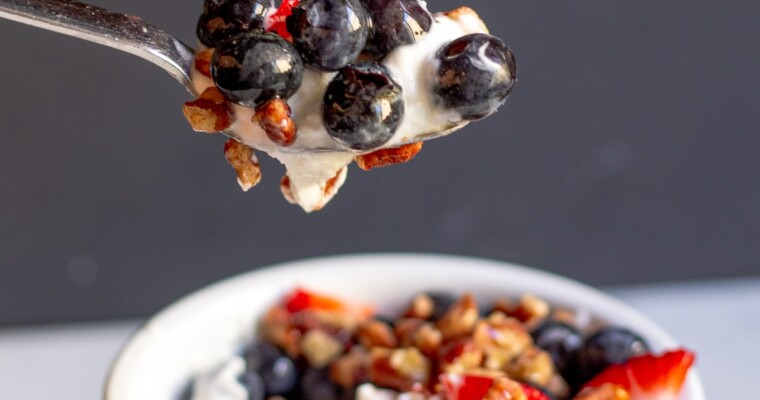
- Breakfast: Oatmeal with berries and walnuts.
- Lunch: Quinoa salad with greens and gluten-free almond flour crusted salmon.
- Dinner: Roasted veggies with olive oil and grilled or air-fried chicken tenders without breading.
- Snack: Greek yogurt with nuts.
Related
Looking for other articles like this? Read these: