
Discover the best superfoods to add to smoothies and learn how to make healthy, delicious smoothies using simple everyday ingredients.
Jump to:
If you've been keeping up with my blog and social media, you might have noticed my love for smoothies. It all began when I started following the ABS diet, which encouraged daily smoothie consumption and sparked my passion for them. One of the first I made was my Healthy Banana Avocado Berries Smoothie.
When my eldest was ready for solid foods, I saw an opportunity to introduce nutritious smoothies to her diet, nurturing her taste for healthy eating. And it paid off wonderfully! I'd often include baby cereal powder like Earth's Best Organic Cereal for an extra boost of nutrients. Try adding other to the Creamy Green Smoothie with Avocado and Spinach.
I applied the same approach with my two younger children, and they adored the smoothies just as much!
What Are Superfoods?
Superfoods are foods that are especially rich in vitamins, minerals, antioxidants, healthy fats, fiber, and plant compounds that support overall health. The good news is that you do not need expensive powders or exotic ingredients to benefit from them. Many of the best superfoods to add to smoothies are simple, affordable, and easy to find at almost any grocery store.
You may have come across arguments suggesting that smoothies are not the ideal way to consume healthy foods. It is true that chewing fruits and vegetables supports digestion through enzymes released in the mouth. However, blending superfoods can still provide meaningful benefits.
Your body is able to absorb nutrients from these nutrient-dense ingredients, and enjoying smoothies does not take away from eating whole fruits and vegetables throughout the day. Think of smoothies as a helpful complement, not a replacement.
While there are many powerful superfoods like maca powder, camu camu, hemp seeds, acai powder, and blue green algae, they are not always easy to find. Depending on where you live, these ingredients can be expensive or simply unavailable. That is why, in this post, I am focusing on superfoods that are widely available and realistic for everyday life.
Maybe one day, when my kids are older and fully appreciate my enthusiasm for healthy eating 😊, I will start adding some of those more exotic ingredients. For now, I prefer to stick with simple, nourishing foods that I always have on hand in my fridge and pantry.
Best Superfoods to Add to Smoothies
Avocado
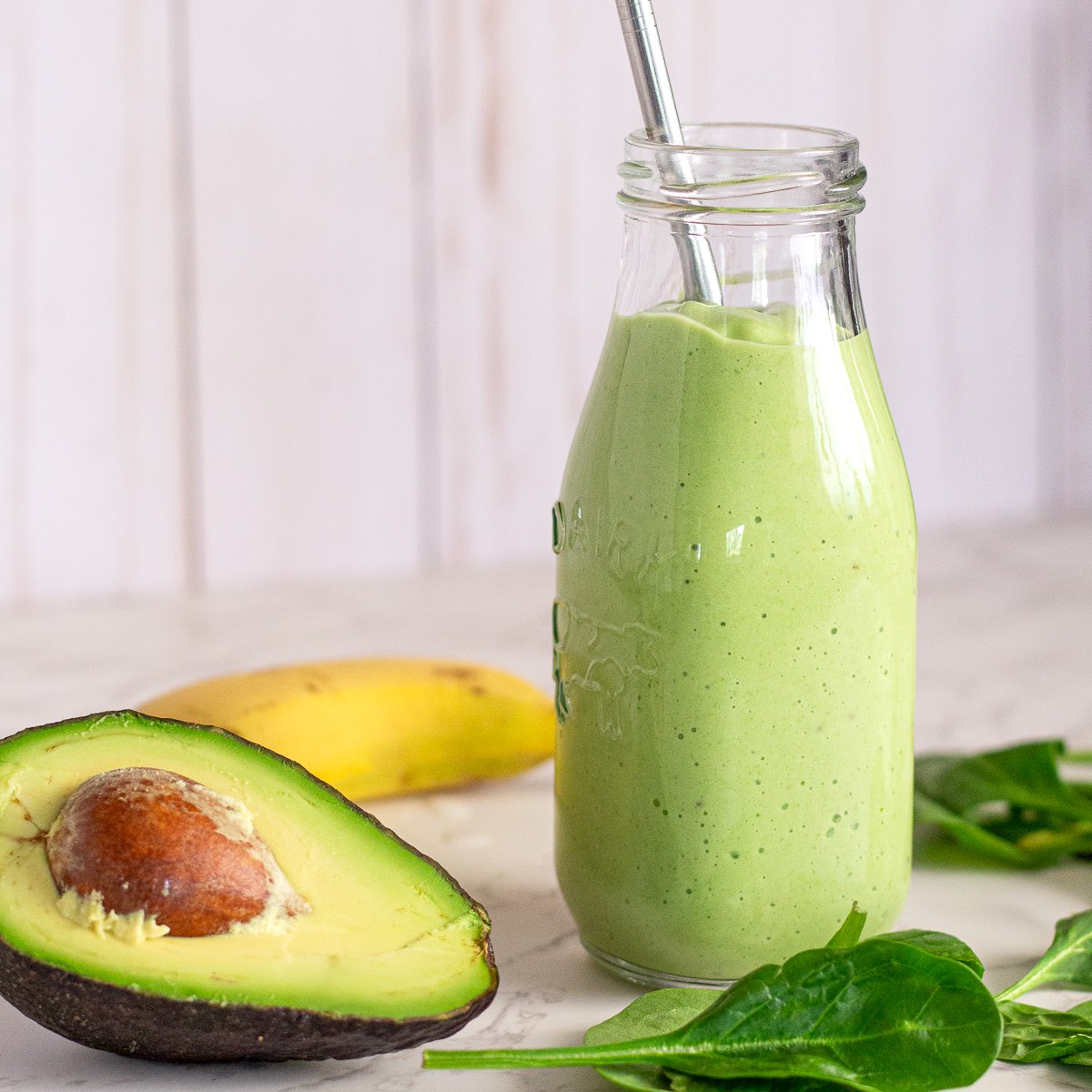
I enjoy including avocado in my smoothies for its creamy texture and lovely green color. Even though my son isn't a fan of eating avocado alone, he happily drinks smoothies with avocado in them, completely unaware of its presence 😀.
- Avocados are packed with essential vitamins and minerals, including vitamins C, E, K, and B-6, as well as folate, potassium, and magnesium.
- Avocados are a great source of monounsaturated fats, which benefit heart health. These healthy fats can help lower bad cholesterol levels and reduce the risk of heart disease.
- Avocados are high in dietary fiber, which promotes digestive health, helps regulate blood sugar levels, and aids in weight management by promoting feelings of fullness.
How to use avocado in smoothies?
Use ¼ to ½ of a ripe avocado per smoothie. Try my Green Smoothie with Avocado and Spinach.
Yogurt
I've written numerous posts highlighting the advantages of yogurt over milk. I also enjoy incorporating yogurt into my smoothies. However, I prefer using plain yogurt since flavored varieties often contain added sugar, which isn't necessary when blending with fruits due to their natural sweetness.
- Plain yogurt is a rich protein source, essential for muscle repair and growth and for maintaining overall health.
- Plain yogurt often contains live and active cultures, which are beneficial bacteria that support gut health and digestion. These probiotics can help maintain a healthy balance of microorganisms in the gut, improving digestion and boosting the immune system.
- Yogurt is a good source of calcium, which is essential for bone health, muscle function, and nerve transmission.
How to use yogurt in smoothies?
Add ½ to ¾ cup of plain Greek yogurt or kefir. Choose unsweetened varieties to avoid added sugar.
Berries
You can be creative here and add what you like the most, such as strawberries, blueberries, blackberries, or raspberries.
- Berries contain antioxidants such as flavonoids, anthocyanins, and vitamin C, which help combat oxidative stress and reduce inflammation. These compounds are linked to a lower risk of chronic diseases like heart disease, cancer, and diabetes.
- Berries are relatively low in calories but high in nutrients, making them a nutrient-dense food choice. This makes them ideal for inclusion in weight loss or calorie-controlled diets.
- The compounds found in berries have anti-inflammatory properties, which can help reduce inflammation throughout the body and alleviate symptoms of inflammatory conditions like arthritis.
How to use berries in smoothies?
Add one handful of blueberries, strawberries, raspberries, or mixed berries. Frozen berries also help create a thick, creamy texture. Try my Creamy Vanilla Raspberry Protein Smoothie.

Spinach or Other Leafy Greens like Kale
An excellent method for adding greens like spinach to your diet is blending them into smoothies and fruits. Not only does it create a beautiful color, but you also benefit from all the nutrients without tasting the spinach.
- Spinach is packed with essential vitamins and minerals, including vitamins A, C, and K, as well as folate, iron, and magnesium.
- Spinach contains various antioxidants, such as beta-carotene, lutein, and zeaxanthin, which help protect cells from free radicals and oxidative damage and reduce the risk of chronic diseases like heart disease and cancer.
How to use spinach in smoothies?
Start with one small handful of spinach or kale. Spinach has a milder flavor and is great for beginners. Try my Apple Celery Smoothie with Ginger and Spinach.

Ground Flax Seed
Adding a spoonful of ground flax seeds to your smoothies couldn't be simpler! And the benefits are ample.
- Flax seeds are excellent plant-based sources of alpha-linolenic acid (ALA), an omega-3 fatty acid essential for heart health, brain function, and reducing inflammation.
- The omega-3 fatty acids and fiber in flax seeds can help lower blood pressure, reduce LDL (bad) cholesterol levels, and improve overall heart health, reducing the risk of heart disease and stroke.
- The omega-3 fatty acids and antioxidants in flax seeds can help reduce inflammation and promote healthy skin and hair, potentially reducing the risk of skin conditions like acne and eczema.
How to use ground flax seed in smoothies?
Use 1 tablespoon of ground flax seeds. Whole flax seeds are harder to digest, so ground is best. Try my Strawberry Banana Chocolate Smoothie.
Chia Seeds
While I seldom include chia seeds in my smoothies, I acknowledge it's a beneficial habit and intend to use them more often in the future. You typically want to add no more than a tablespoon of chia seeds.
- Chia seeds contain essential nutrients, including fiber, protein, omega-3 fatty acids, calcium, magnesium, and antioxidants.
- Due to their high fiber and protein content, chia seeds can promote feelings of fullness and satiety, which may aid in weight loss or weight management by reducing overall calorie intake.
How to use chia seeds in smoothies?
Add 1 tablespoon directly to the blender or soak them first if you prefer a smoother texture.

Nuts
If you like a little crunch in your smoothies, nuts are a great way to add healthy protein. I usually skip whole nuts when making smoothies for the whole family because my kids do not like the little pieces. Still, I love the nutty flavor, so I often add walnuts or almonds to my own smoothie, or use a small spoon of peanut butter or almond butter for a smooth and creamy texture.
- Nuts are packed with essential nutrients such as vitamins, minerals, and antioxidants. They are exceptionally high in vitamin E, magnesium, potassium, and selenium, necessary for overall health and well-being.
- Nuts are rich in unsaturated fats, including monounsaturated and polyunsaturated fats, which can help lower LDL (bad) cholesterol levels and reduce the risk of heart disease. They also contain omega-3 fatty acids, which have anti-inflammatory properties and further support heart health.
- The anti-inflammatory properties of nuts, particularly their high content of antioxidants and omega-3 fatty acids, can help reduce inflammation and lower the risk of chronic diseases associated with inflammation, such as heart disease, diabetes, and certain types of cancer.
How to use nuts and nut butters in smoothies?
Add 1 tablespoon of almond butter, peanut butter, or a small handful of soaked nuts. Try my Healthy Peanut Butter Cup Smoothie.

How to Build a Balanced Superfood Smoothie
For a nourishing and satisfying smoothie, aim to include:
- A fruit or berry base
- One leafy green
- A protein source
- A healthy fat
- One or two superfood add ins
Adding nutrient-rich foods like fruits, veggies, nuts, and seeds to your smoothies is good for you. It can lift your energy level, keep your heart healthy, care for your brain health, help with digestion, and make you feel better overall. Smoothies are an easy and yummy way to give your body the good stuff to stay healthy.
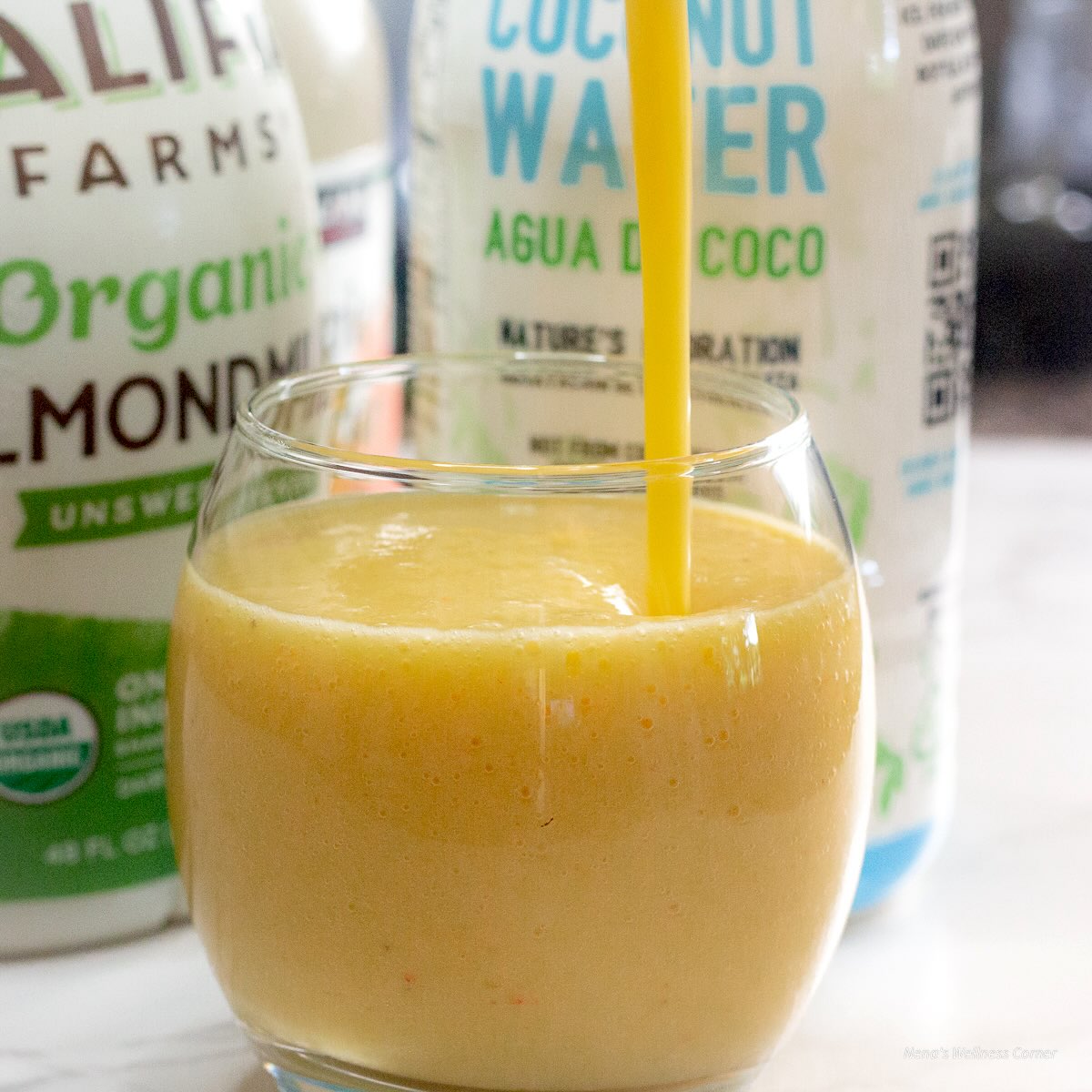
Feel free to personalize your superfoods to add to smoothies by adding healthy ingredients such as tropical fruits, almond milk (or any other plant-based milk) while considering this handy list of nutritious, everyday great superfoods.
Healthy Smoothies to Try This Week


⭐ Love this post? There are more on my nutrition corner page! Find me on YouTube, Pinterest, Instagram or TikTok.




Comments
No Comments